A Calm Japandi Townhouse in London
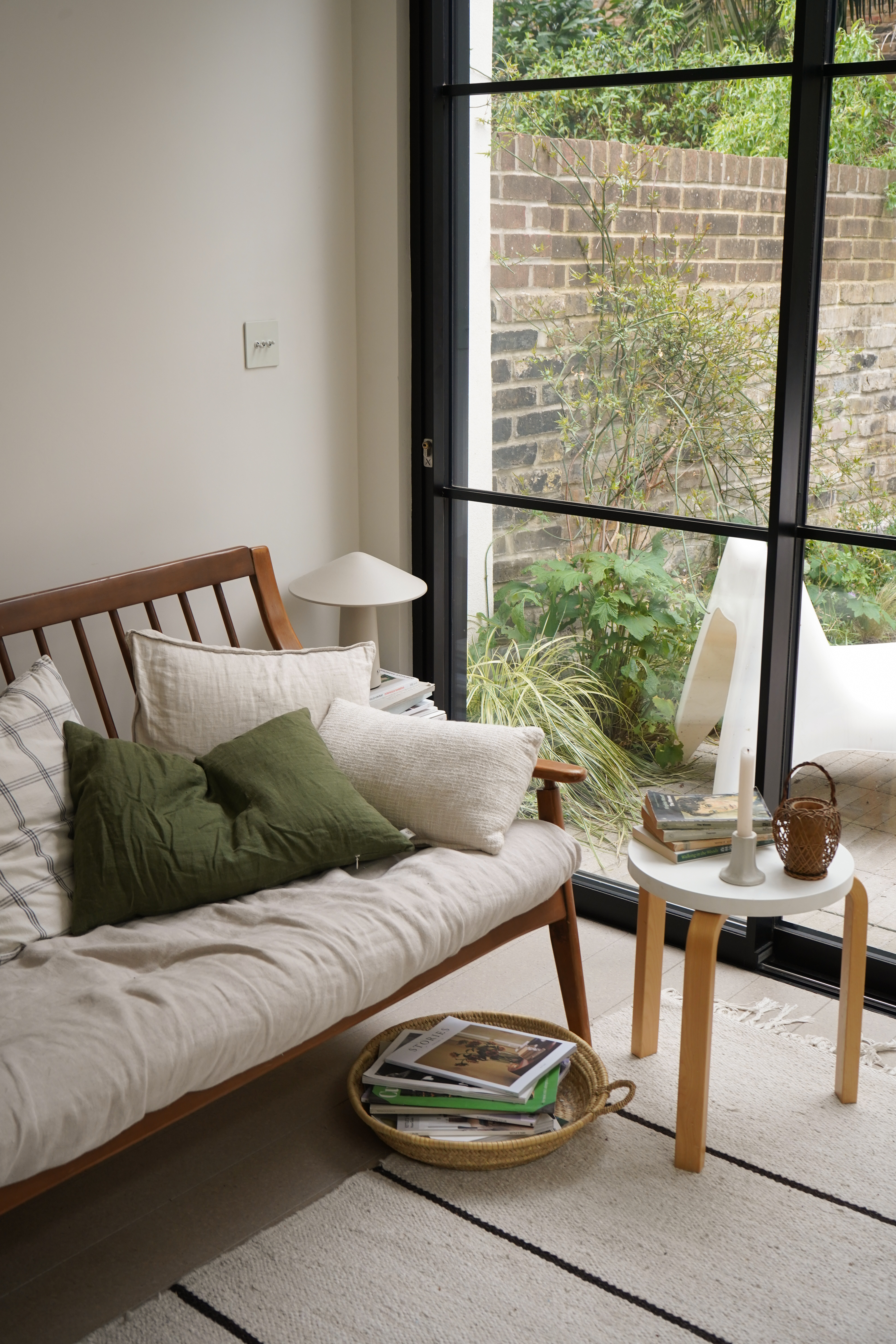
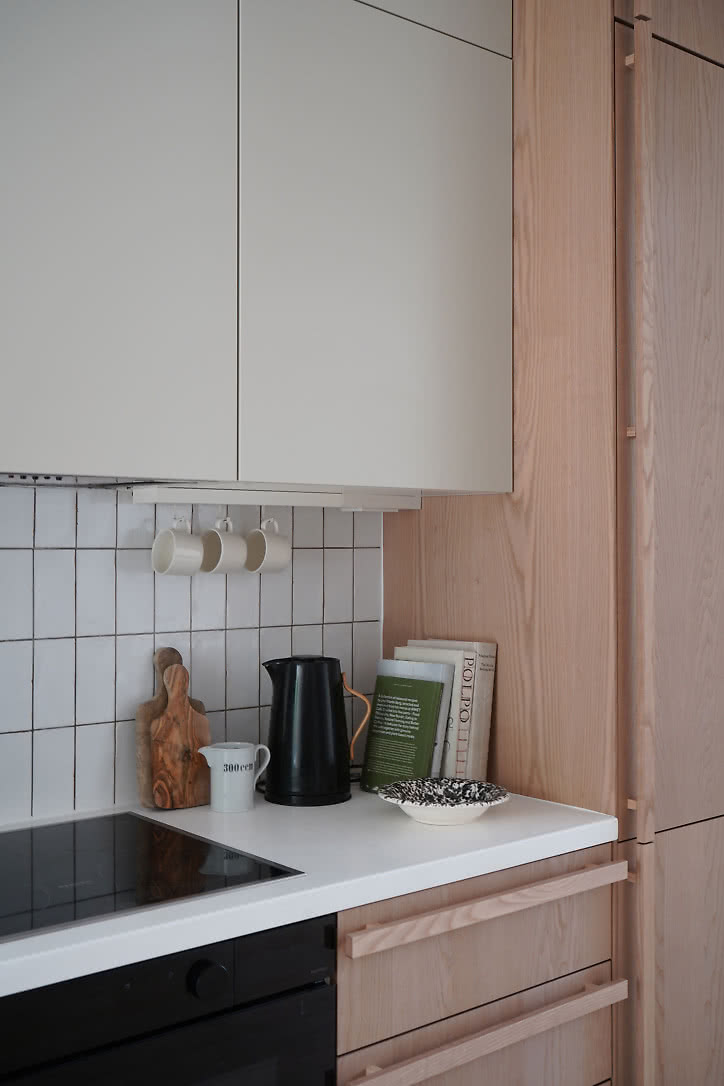
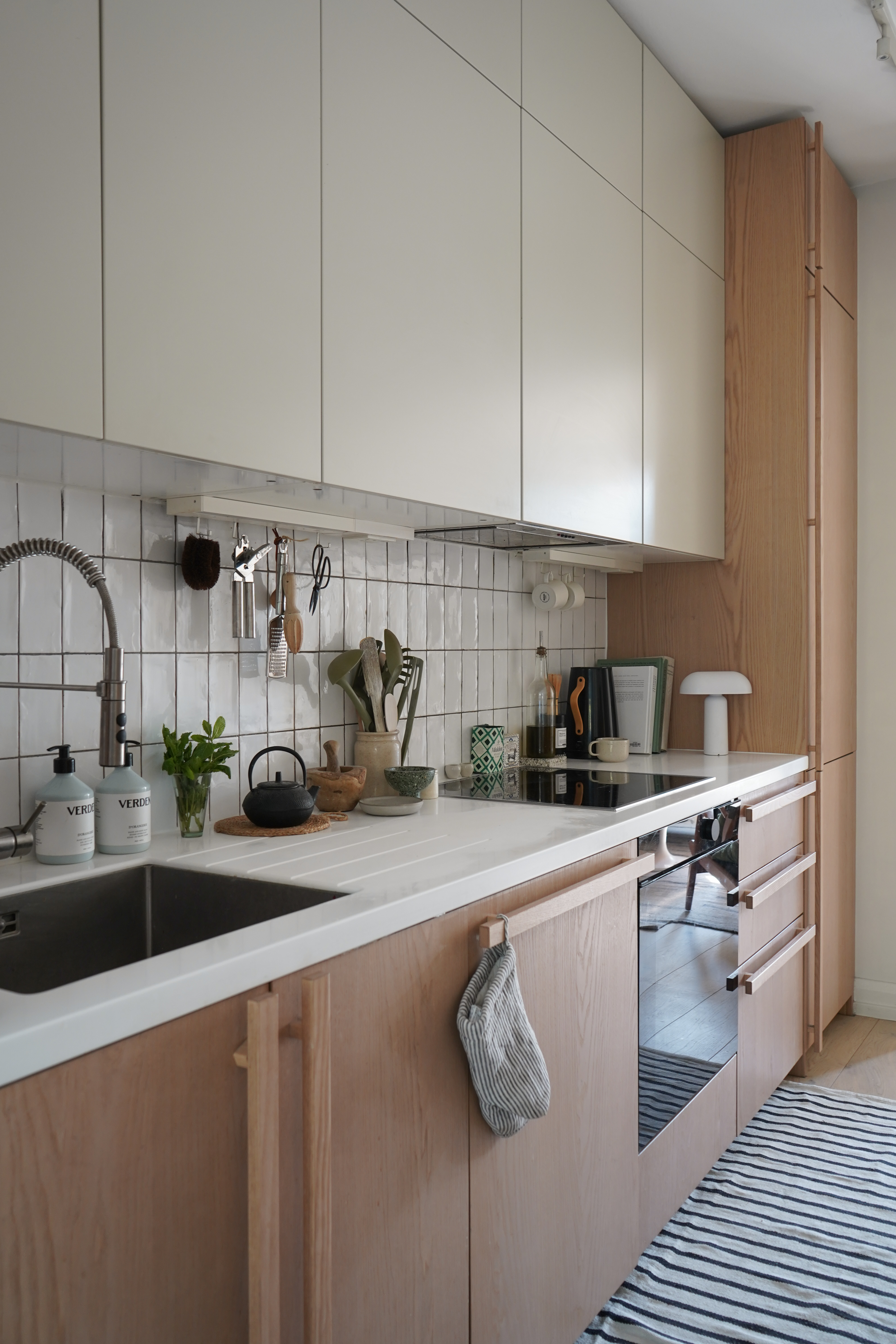
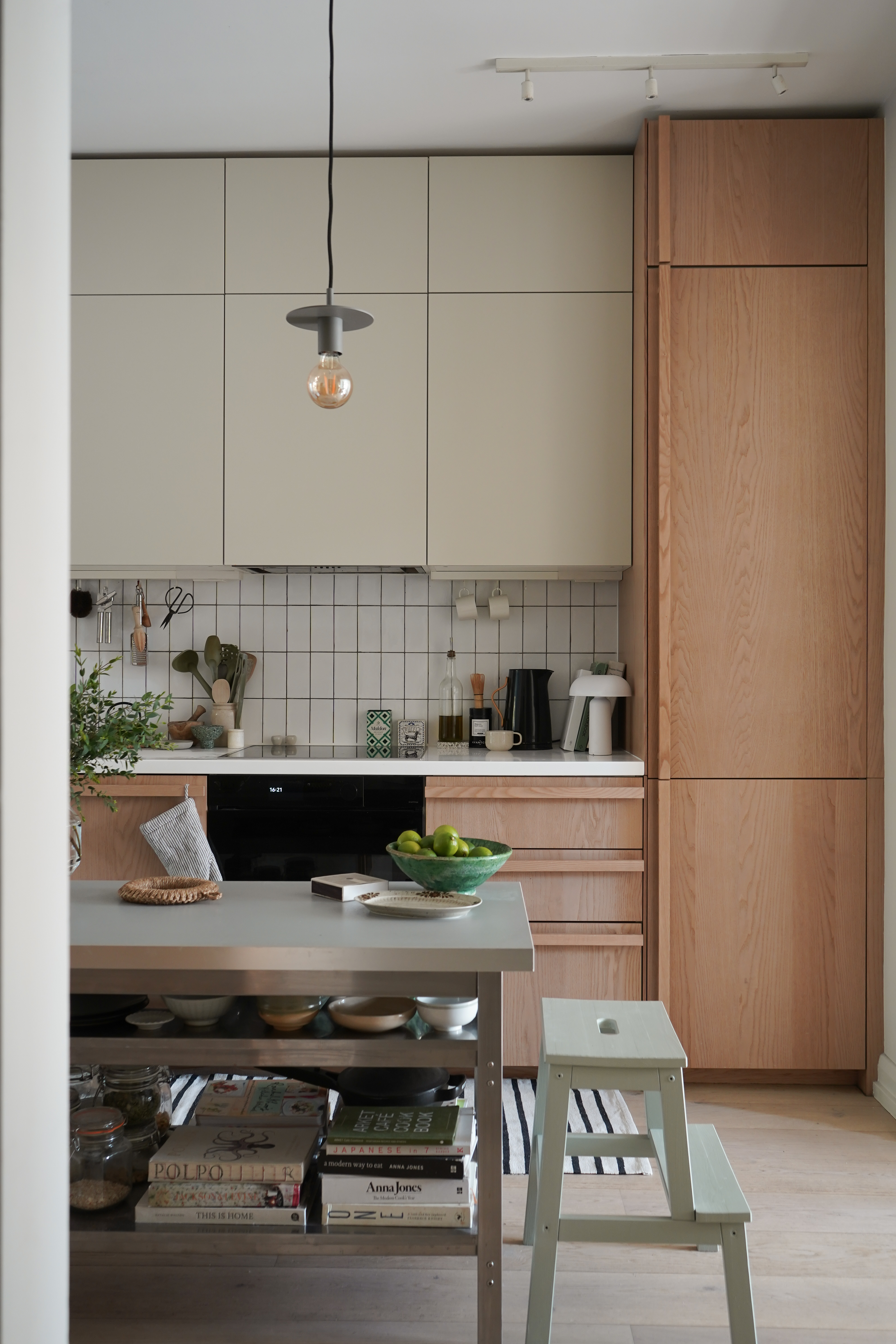
In her London townhouse, Cate St Hill has created a calm and cohesive home inspired by Japandi principles. Instead of starting from scratch, she chose to work with what she already had, updating her existing IKEA kitchen with fronts from Superfront in warm wood and soft, neutral tones.
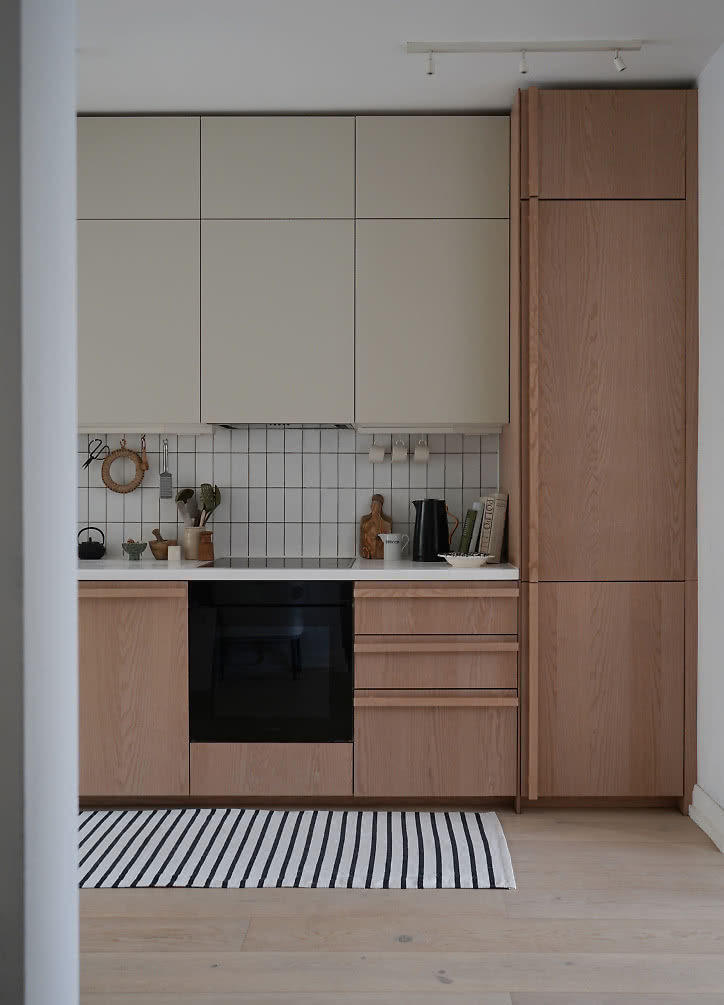
Updating the fronts was a simple way to transform the kitchen, making it feel warmer and more inviting without a full renovation.
Do you have a design principle or mindset you always return to in your interior projects?
I’m deeply inspired by Scandinavian design and Japanese minimalism, which I explored in my book The Japandi Home. Both styles balance simplicity and cosiness, creating spaces that feel pared-back but still warm and inviting.
My home is my sanctuary, and I try to create spaces that feel timeless and can evolve with everyday life. I like to think of the walls as a neutral backdrop, allowing materials, objects and personal details to bring the space to life.
In the kitchen especially, functionality is key. I prefer to hide away less aesthetic elements while making space for more personal touches, like favourite cookbooks or ceramics collected over time.
How would you describe your style, and what inspires you most?
My style is simple and relaxed, built on principles of harmony, balance and tranquillity. I want everything to come together into a cohesive whole, creating a sense of calm as soon as you step through the door.
I draw a lot of inspiration from travel. It could be anything from a restaurant interior to the colour of a front door or the atmosphere of a hotel. Inspiration really can come from anywhere.
Over time, I’ve developed a strong sense of my personal style. I tend to return to the same colours and materials, and try to avoid trends in favour of something more lasting.
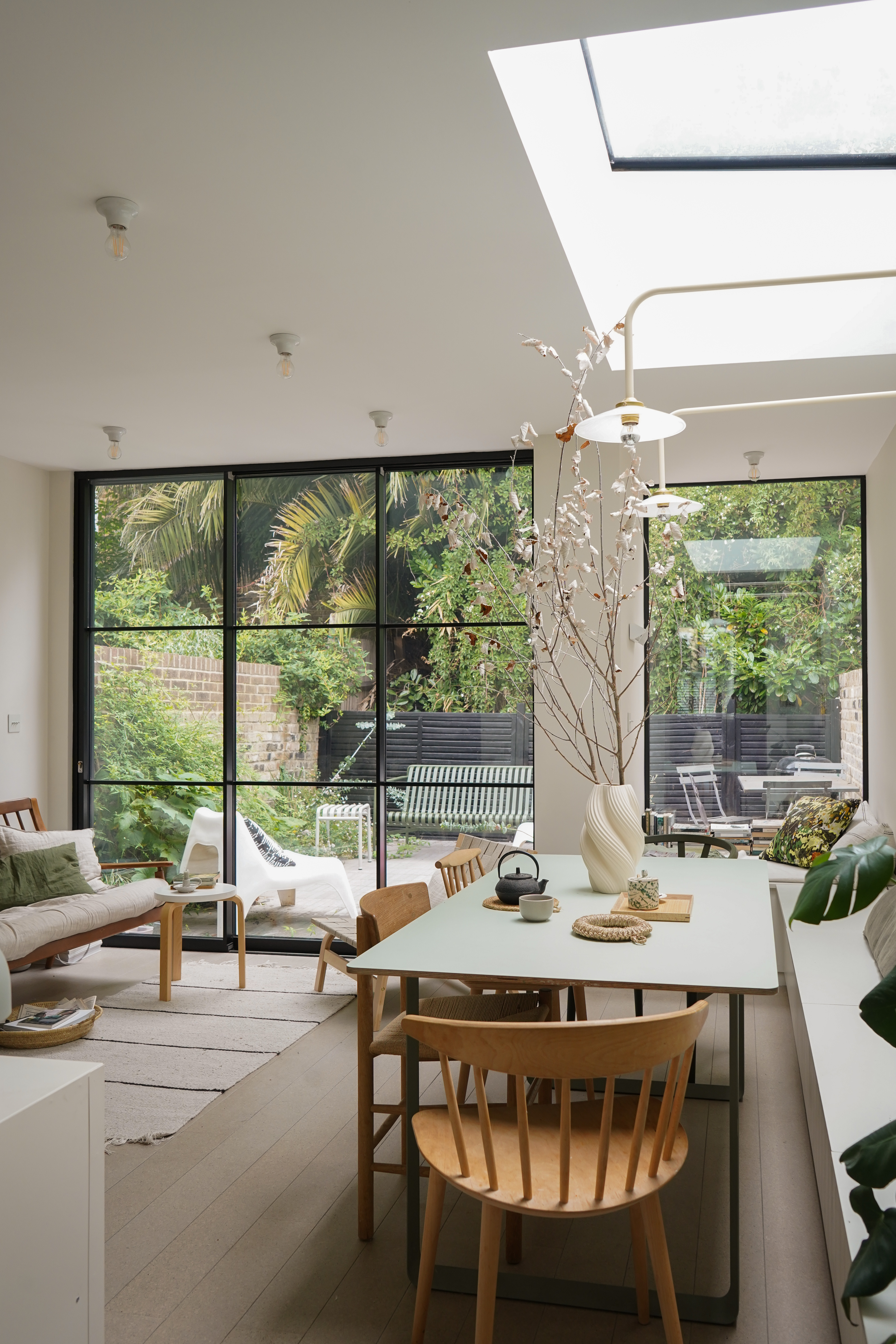
When I open my front door, I want to feel a sense of calm, like I’ve left everything else behind.
How did you approach the design of your kitchen, from layout to choosing colours and wood veneer?
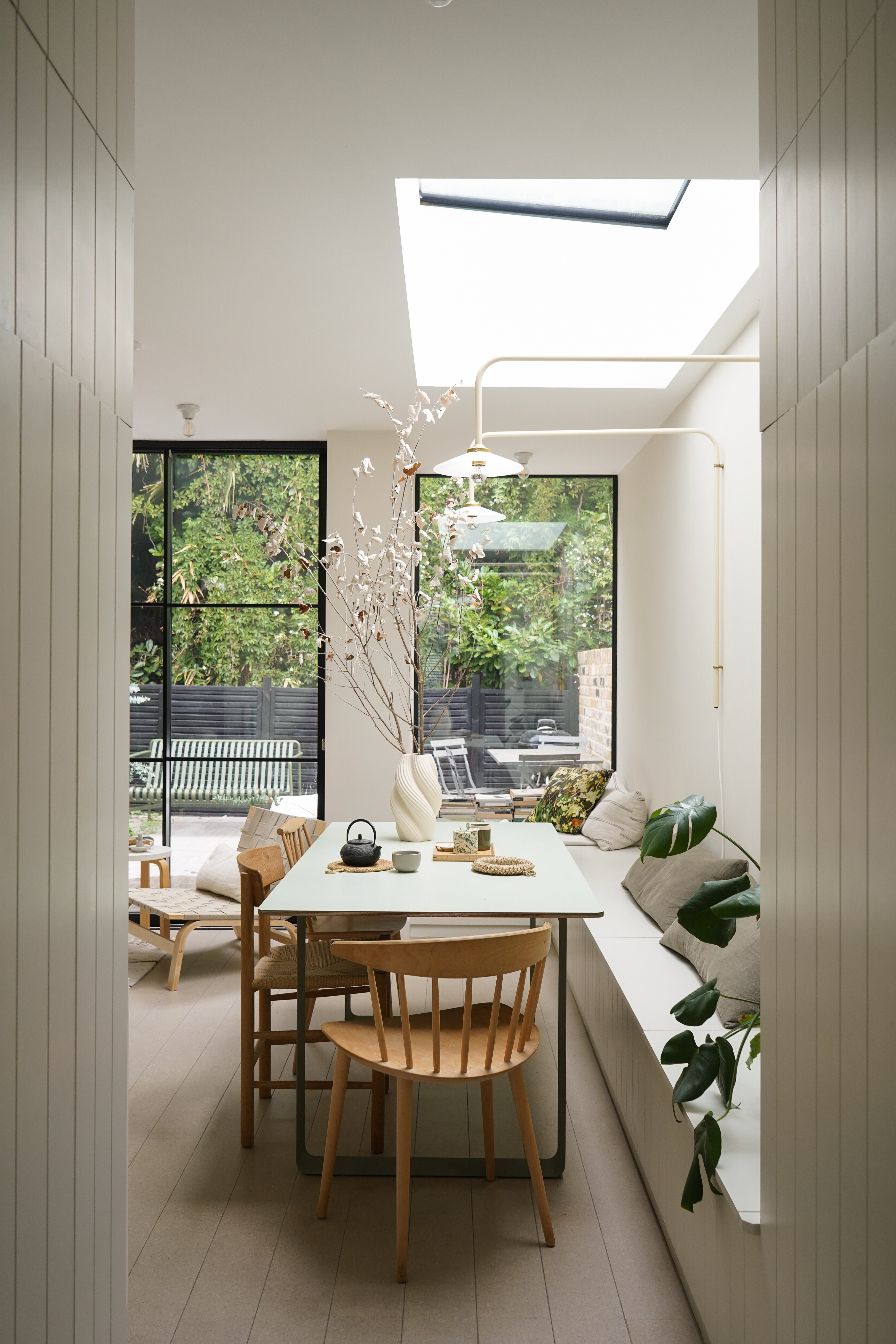
I live in a Victorian terraced house in London, which means working with quite a narrow layout. Making the most of the space is essential. It’s almost like solving a puzzle.
Instead of placing the kitchen at the back of the house, I chose to position it in the middle room, turning it into the heart of the home. By removing the chimney breast, I was able to create a clean, continuous run of units along one wall.
The kitchen itself was originally installed eight years ago with grey IKEA fronts, but as my style evolved, it felt like the space needed a refresh. By updating the fronts with Superfront, combining lacquered Desert Sand with warm Biscotti wood veneer, the kitchen was completely transformed. It now feels warmer, softer and more inviting.
How have you found the quality of the kitchen fronts, and was the installation process easy?
The installation process was very straightforward. I did have some help installing the fronts, but they fit easily onto the IKEA units. The side panels required a bit more precision, but overall it was a smooth process.
The quality has been great. The bar handles feel solid and substantial, and are much more comfortable to use compared to the thinner metal handles I had before.
Do you have any advice for creating a calm, cohesive Japandi-inspired home?
In a neutral, Japandi-inspired space, texture is essential. Without it, the space can easily feel flat.
I like to introduce warm, natural materials such as wood, cork, rattan and linen to create a more tactile and inviting environment. When designing a space, it’s important to think about all the senses, not just how it looks, but how it feels to be in.